
Why luck plays a crucial role in casino success
The Nature of Luck in Gambling
Luck is an intrinsic part of gambling, particularly in environments like casinos where games often depend on chance rather than skill. In games such as slots, roulette, or baccarat, the outcome is primarily determined by random events, making luck a significant factor in a player’s success. For instance, hitting a jackpot on a slot machine is purely a matter of being fortunate at the right time, illustrating how luck can dramatically alter a player’s experience and financial outcome. Many enthusiasts enjoy platforms like gold bet where this randomness creates an environment where anyone, regardless of experience, can experience a moment of triumph simply by chance.
Moreover, the perception of luck can influence a player’s psychology and decision-making process in casinos. Many gamblers develop a belief in lucky numbers or moments, which can drive their betting patterns. This psychological component of luck often leads players to feel more engaged and excited, propelling them to continue playing in hopes of a fortuitous turn of events. This thrill of potential victory, fueled by luck, is what keeps many players returning to casinos, as they chase that elusive winning streak and the adrenaline rush that accompanies it.
Furthermore, luck can serve as a great equalizer in casino games. While skilled players may have an advantage in certain games, even the most seasoned professionals must confront the unpredictability of luck. A novice player can, through sheer fortune, win big and take home substantial prizes, while a highly skilled player might fall short despite their expertise. This unpredictability keeps the gaming environment vibrant and accessible, allowing anyone with a little luck to potentially leave the casino as a winner, making every visit an exciting gamble.
The Role of Chance in Different Casino Games
Different casino games exhibit varying degrees of dependence on luck versus skill. Table games like poker, for example, involve a blend of strategy, psychology, and luck, where players must make tactical decisions based on incomplete information. Luck influences card draws and opponents’ hands, making it possible for an underdog to prevail over a more experienced player. However, in purely luck-based games like craps or slots, skill has little to no bearing, and the outcome hinges entirely on chance, emphasizing the unpredictable nature of the gaming experience.
The randomness associated with games of chance contributes to the allure of casinos, as players are often enamored by the possibilities that lie within each roll of the dice or spin of the wheel. For instance, in games like roulette, the random selection of the winning number creates an exhilarating atmosphere where players place their bets with the hope that fortune will favor them. This dynamic reflects the heart of casino gaming, where every outcome can initiate a different emotional response ranging from elation to disappointment, further enhancing the thrill of the experience.

Additionally, the house edge in casino games highlights the balance between luck and probability. Casinos are designed to ensure that over time, they will profit from the games they offer due to this statistical advantage. Even if luck plays a role in individual outcomes, the long-term results will generally favor the casino. This relationship between luck and house edge is crucial for both players and operators, as it establishes expectations for wins and losses within the gaming experience, reminding players of the inherent risks involved.
The Psychological Impact of Luck on Players
Luck is not just about winning or losing; it significantly influences the psychological state of players. When individuals experience a stretch of bad luck, they may feel disheartened or discouraged, potentially leading to a phenomenon known as “tilt,” where emotions interfere with decision-making. Conversely, a streak of good luck can lead to greater confidence and risk-taking behavior, which may not always be in the player’s best interest. This psychological rollercoaster is a key aspect of the gambling experience and contributes to the thrill of visiting a casino.
The concept of luck can also foster a sense of community among players. Many gamblers share their stories of improbable wins or close calls, creating an environment where camaraderie can flourish. The communal belief in luck, whether it’s celebrating someone’s jackpot win or commiserating over a losing streak, cultivates a shared experience that enhances the overall atmosphere. This social dimension of luck is often overlooked but plays a crucial role in the attraction of casino environments, as players bond over their shared hopes and experiences.
Moreover, the reinforcement of “luck” through rituals and superstitions reveals a deeper psychological attachment players have to the concept. Many gamblers engage in personal traditions, like wearing lucky clothing or performing specific routines before placing bets. These behaviors are often fueled by the desire to influence luck, even if the odds of winning remain unchanged. Understanding this psychological relationship with luck is vital for both players and casinos, as it shapes game dynamics and the overall experience within the gaming floor, emphasizing the intricate link between belief and behavior in gambling.
Luck vs. Strategy: Finding the Balance
The dynamic between luck and strategy is a critical element in the discussion of casino success. Players often seek out games where skill can enhance their chances of winning; yet, even the most strategic approach cannot eliminate the element of luck. For instance, in blackjack, while players can significantly improve their odds through strategic playing and card counting, the randomness of the dealt cards still plays a decisive role in the outcome of each hand. This interplay between skill and luck creates a layered gaming experience where players must navigate their strategies with an understanding of inherent unpredictability.
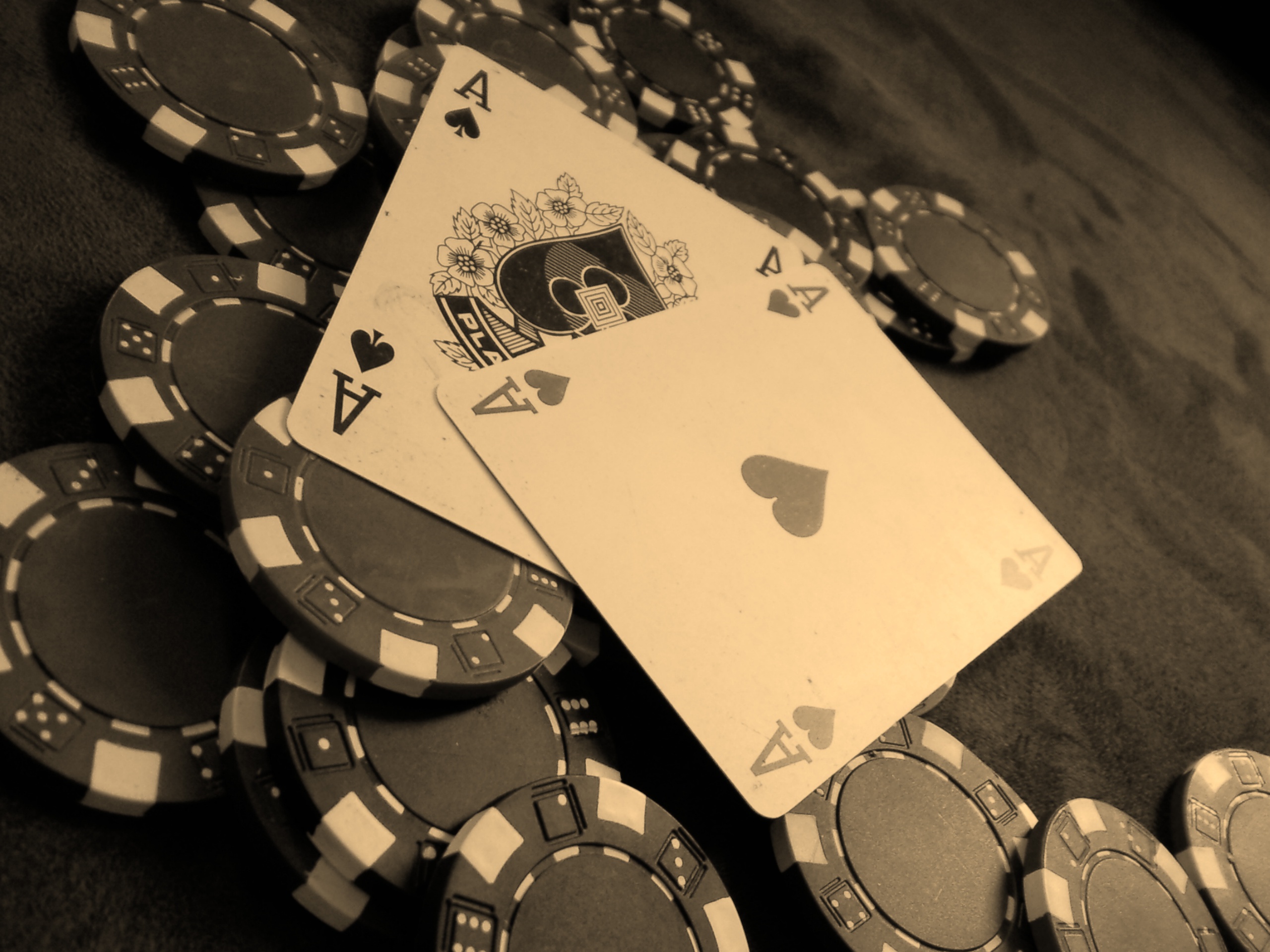
Casinos also understand this balance and design their games to cater to both luck-driven players and those who prefer strategy. The diversity of games, from high-stakes poker tables to chance-driven slot machines, ensures that all types of players find something that resonates with them. Players who appreciate strategy may find satisfaction in honing their skills, while those who thrive on luck can enjoy the spontaneity and unpredictability of games of chance. This variety enriches the overall gaming experience, allowing players to choose their preferred approach.
Ultimately, recognizing how luck and strategy intermingle allows players to approach gambling with a more balanced mindset. Accepting luck as an inherent aspect of gaming helps mitigate the emotional impact of losses and amplifies the joy of victories. As players navigate the world of casinos, embracing this duality can lead to a more rewarding and enjoyable experience, regardless of the final outcome, enhancing their overall enjoyment of the games they love.
Understanding the Importance of Luck in Your Gambling Journey
To fully appreciate the role of luck in casino success, it’s essential to embrace it as part of the journey rather than merely a factor in wins and losses. Many players enter casinos with the misconception that they can control or manipulate luck through strategies or techniques. However, the unpredictable nature of gambling means that luck will always play a pivotal role in determining outcomes. Recognizing this reality enables players to adopt a healthier approach to gambling, focusing on enjoyment rather than merely financial gain, allowing them to appreciate each moment spent in the casino.
Additionally, as players come to terms with the concept of luck, they can better manage their expectations and experiences in casinos. Understanding that luck will ebb and flow can help mitigate the disappointment that often accompanies losing streaks. Players who accept the highs and lows of gambling are more likely to have positive experiences and engage in responsible gambling practices, reducing the likelihood of emotional distress associated with significant losses. This acceptance fosters a more enjoyable atmosphere and encourages players to remain engaged without undue stress.
Moreover, understanding luck’s role can enhance the enjoyment of the casino experience. It encourages players to celebrate their wins, no matter how small, while also finding solace in the knowledge that each loss is just a part of the journey. Ultimately, embracing luck adds to the richness of the casino experience, highlighting the thrill of spontaneity and the joy of gaming alongside fellow players, creating lasting memories that extend beyond the outcome of any single game.